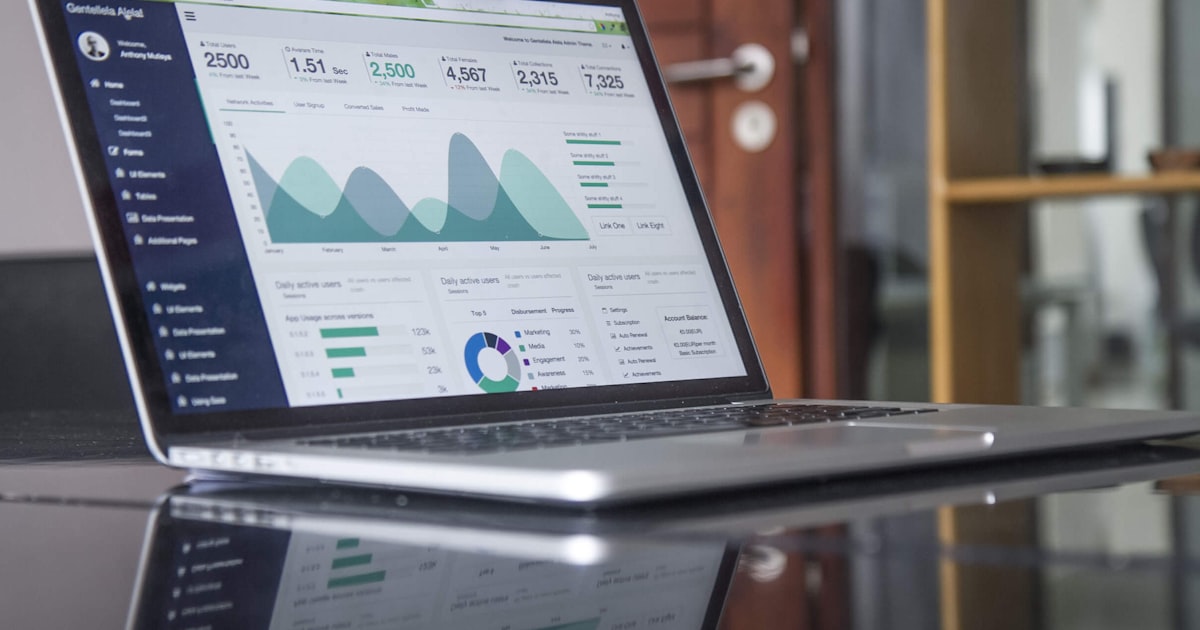
Most small business owners don't fail because of a bad product or poor service. They fail because they run out of cash — and didn't see it coming because they weren't paying attention to the right numbers. Bookkeeping is the system that tells you where you stand.
The three numbers to watch monthly
- Cash position — How much cash is in your accounts right now. Not what you're owed, not what your QuickBooks says your profit is — actual cash. This is the number that pays rent and payroll.
- Accounts receivable aging — Who owes you money, and for how long. Invoices beyond 60 days are at risk. Invoices beyond 90 days are often uncollectible. This number tells you when to follow up aggressively and when to stop extending credit.
- Net profit (or loss) for the month — Revenue minus all expenses. This tells you whether the business is generating value or consuming it. A positive number doesn't mean you're fine; a negative trend means something needs to change.
The minimum viable bookkeeping system
For a small service business with relatively simple transactions, you need:
- A separate business bank account — never commingling personal and business transactions
- A business credit card used exclusively for business expenses
- Accounting software (QuickBooks Online or Wave for small operations) connected to your bank feed
- A monthly reconciliation — verifying that every transaction in your books matches your bank statement
- A shoebox (or cloud folder) for receipts — photos are fine; the IRS accepts digital records
Cash vs. accrual accounting
Cash accounting recognizes income when received and expenses when paid. Accrual accounting recognizes income when earned and expenses when incurred, regardless of cash movement. Most small businesses under $25 million in gross receipts can use cash basis; it's simpler and provides a clearer picture of actual cash position.
If your business sells products on credit (invoices with net-30 terms) or carries significant inventory, accrual accounting gives a more accurate picture of profitability. A CPA can help you decide which method fits your business.
When to outsource
If you're spending more than two to four hours per month on bookkeeping — or if you've gone more than a month without reconciling — it's worth comparing the cost of professional bookkeeping against your own time. For most business owners, their time is worth far more than the cost of a bookkeeper.
More importantly: businesses with clean, current books have far better outcomes with lenders, investors, potential acquirers, and the IRS. The value of clean financials compounds over time.